evaluating security locks versus smart locks for ultimate safety
In today's rapidly evolving security landscape, homeowners are faced with a crucial decision when it comes to protecting their property. With traditional security locks and modern smart locks both vying for attention, it is essential to weigh the pros and cons of each to ensure optimal safety. In this article, we will explore the features, benefits, and limitations of both types of locks, helping you to make an informed decision for your home security needs.
The Reliability of Traditional Security Locks
Traditional security locks have long been the first line of defence for homes. These mechanical locking devices, which include deadbolts and knob locks, offer a sense of familiarity and simplicity. They are designed to withstand brute force attacks, making them a reliable choice for many households. With various grades available, it is advisable to invest in high-security locks that meet British Standards, ensuring they are resistant to picking and drilling.
One of the key advantages of traditional locks is their tangibility. With a physical key, homeowners have direct control over who can enter their property. This can be particularly advantageous in rental situations, where landlords may want to restrict access to certain areas. However, the downside is the risk of losing keys or having them stolen, which can compromise security.
The Rise of Smart Locks
Smart locks are a modern alternative, bringing technology into the realm of home security. These keyless entry locks allow users to unlock doors via smartphones, key fobs, or even biometrics such as fingerprints. The convenience factor is significant; no more fumbling for keys, especially when your hands are full. Many smart locks also offer features like temporary access codes, making them ideal for guests or service providers.
People Also Look For:
- Tapo C520WS Pan/Tilt Outdoor Security Camera, 2K 4MP WiFi Outdoor Camera, 360° Vision Motion Tracking, No Monthly Fee, AI Detecti...
- DEWENWILS Timer Plug Socket UK, 24 Hour Programmable Energy Saving Light Timer for Home Security, Lamp, Router Christmas Light, Co...
- SANSCO HD CCTV Camera System, Home Security 8 Channel 5MP DVR Recorder, 2x 1080p Waterproof Outdoor Bullet Cameras, Email App Aler...
- DEKCO 2K Security Camera Outdoor, CCTV Camera with Auto Tracking, Sound-Light Alarm, WiFi Home Security Camera Support Pan-Tilt 36...
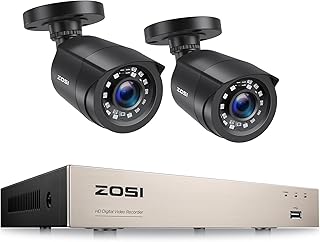
- ZOSI 8CH 1080P Home CCTV Camera System with Human Vehicle Detection, 5MP Lite H.265+ DVR Recorder 1TB Hard Drive and 2pcs 2MP Weat...
Security-wise, smart locks can provide real-time alerts and notifications, allowing homeowners to monitor entry points remotely. Some models integrate with home security systems, enhancing overall safety. However, reliance on technology means that smart locks can be vulnerable to hacking or technical glitches. It is crucial to choose locks with strong encryption and ensure wifi networks are secure to mitigate these risks.
Comparing Security Features
When evaluating security locks against smart locks, one must consider the unique features each offers. Traditional locks are typically more resistant to physical attacks due to their robust design. For instance, a high-quality deadbolt can be extremely difficult to bypass without the right tools.
Conversely, smart locks provide an added layer of security through advanced technology. Many models employ features like auto-locking mechanisms and alerts for suspicious activity. However, the effectiveness of smart locks relies heavily on the homeowner's commitment to maintaining the technology, including regular software updates and secure passwords.
Installation and Maintenance
Installation varies significantly between traditional and smart locks. Security locks are generally straightforward to install with basic DIY skills, while smart locks often require more complex set-ups that may necessitate professional assistance. Additionally, smart locks may require batteries, which means that homeowners must be proactive about maintenance to ensure the devices remain functional.
With traditional locks, maintenance is relatively low, often involving occasional lubrication and inspection for wear and tear, while smart locks demand ongoing attention to both hardware and software aspects, which can be a dealbreaker for some homeowners.
Cost Considerations
In terms of cost, traditional security locks are usually more affordable upfront. High-security models may cost more, but they are still typically less expensive than smart locks. Smart locks, while offering convenience and advanced features, often come with a higher price tag due to their technology. However, when considering the potential cost of break-ins, investing in a quality smart lock could save you money in the long run.